

Your Morning Smile
Send 'funnies' to PanamaNewsroom@gmail.com
Your Morning Smile
 Panama’s National Team’s Journey Towards the Dream of the 2026 World Cup
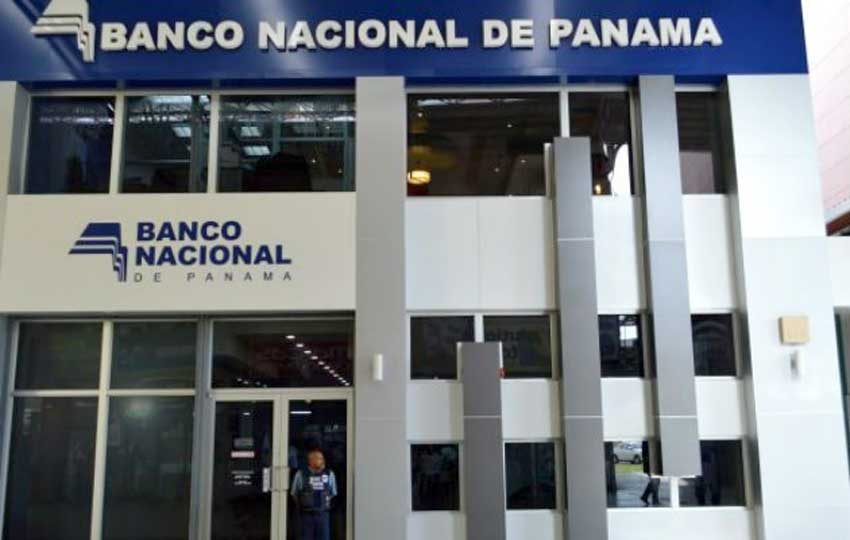 Banco Nacional will Open Branches to Trade Cepanim Bonds Starting Monday
 Alert in the Panamanian Caribbean Due to Increased Waves and Strong Winds – Rainy Weather
 According to the CCIAP the 2026 World Cup is Already Boosting Trade and Services in Panama






Send 'funnies' to PanamaNewsroom@gmail.com
The Panamanian national team has reached a turning point in its history, where tactical maturity and generational change seem to have achieved...
Starting Monday, June 15, the National Bank of Panama will make specialized negotiation centers available to the beneficiaries of the Negotiable Payment Certificates for...
Panama City, Panama: The National Civil Protection System (Sinaproc) has issued a warning due to a significant increase in swells and wave periods...
The 2026 World Cup is a major economic catalyst for Panama. Acting as a strategic aviation and transit hub, Panama...

While the then rector of the Autonomous University of Chiriquí (Unachi), Etelvina Medianero de Bonagas, was going through her last...
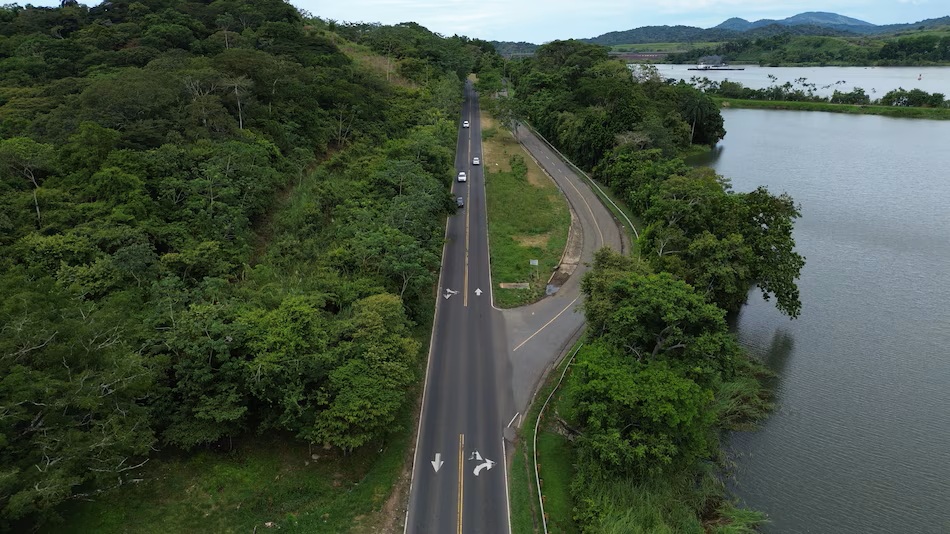
Panama’s Ministry of Public Works (MOP) has completed the redesign and key tendering procedures for the stalled Omar Torrijos Avenue...
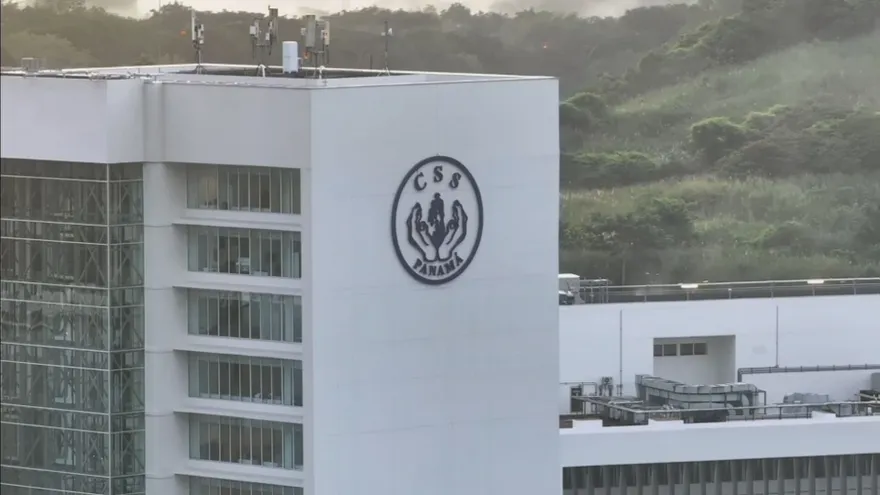
A total of 40 patients are benefiting from a cataract surgery event taking place this weekend at the Rafael Estévez...
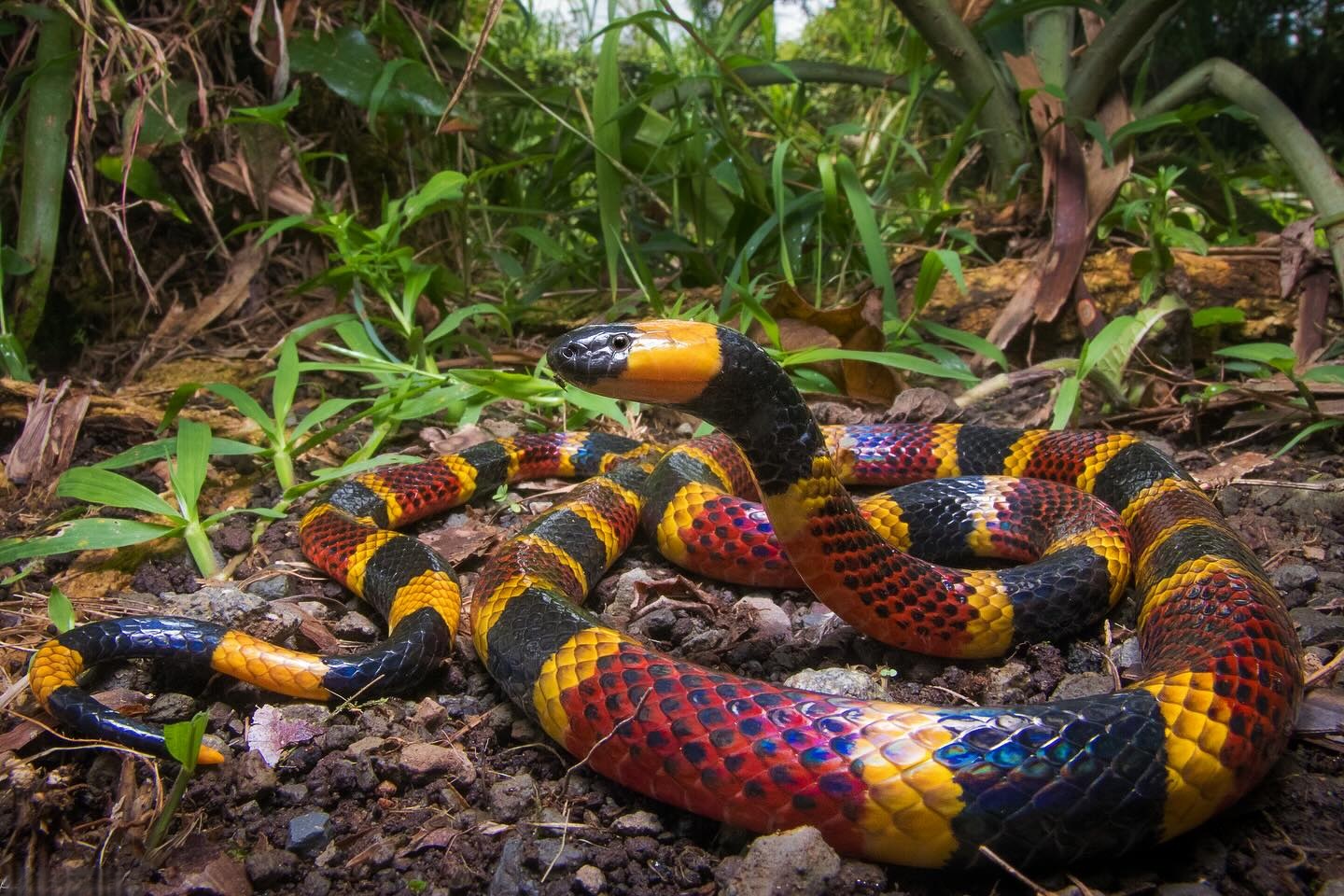
In Panama, coral snakes are among the most visually striking and scientifically fascinating reptiles in the entire tropical Americas. They...

Panama’s Ministry of Public Security recently transferred 29 high-risk inmates (leaders of criminal organizations) to the Coiba Island detention center. Handled by...
Send 'funnies' to PanamaNewsroom@gmail.com

Teachers and Administrative Staff Not Paid their Bi-Weekly Wages: Crisis at Unachi Worsens Tune in throughout the day as we...